Why Your Prineville Basement Drain is Clogged (And How to Fix It)
As Prineville homeowners, we love our history, our stunning views of the Ochoco Mountains, and the rugged beauty of Central Oregon. But one thing nobody loves? Walking down into the basement and realizing you’re standing in an unexpected puddle.
A clogged basement drain is a uniquely frustrating problem. Because basement drains sit at the lowest point of your home, they are often the first place plumbing issues show their ugly faces.
If you are dealing with a backed-up floor drain in Crook County, here is a look at what’s likely causing it and what you should do next.
The Usual Suspects: Why Basement Drains Clog
Basement floor drains are designed to handle overflow from your water heater, washing machine, or heavy rain. When they back up, it’s usually due to one of three culprits:
1. The Local Culprit: Silt, Dirt, and Mud
Living in Central Oregon means dealing with our fair share of dust, dirt, and volcanic soil. If you use your basement utility sink or floor drain to rinse off muddy boots after a hike in the Ochoco National Forest, or to clean up after working in the yard, that heavy silt can settle in the trap. Over time, it creates a thick, concrete-like sludge that completely blocks water flow.
2. Main Sewer Line Blockages
This is the most common reason for a basement drain backup. If your main sewer line—the pipe that carries all wastewater from your house to the Prineville city sewer system or your private septic tank—gets blocked, the water has nowhere to go. It will take the path of least resistance, which happens to be your basement floor drain.
Red Flag Warning: If your basement drain bubbles or backs up when you flush a toilet or run the washing machine upstairs, you are likely dealing with a main sewer line clog.
3. Tree Root Intrusion
Prineville has beautiful, mature trees, but their roots are constantly searching for moisture. Small cracks in older clay or cast-iron sewer pipes are an open invitation for roots to break in, creating a literal underground jungle that catches debris and causes massive blockages.
How to Handle a Clogged Basement Drain
If you catch the clog early, you might be able to tackle it yourself. Here is how to safely troubleshoot:
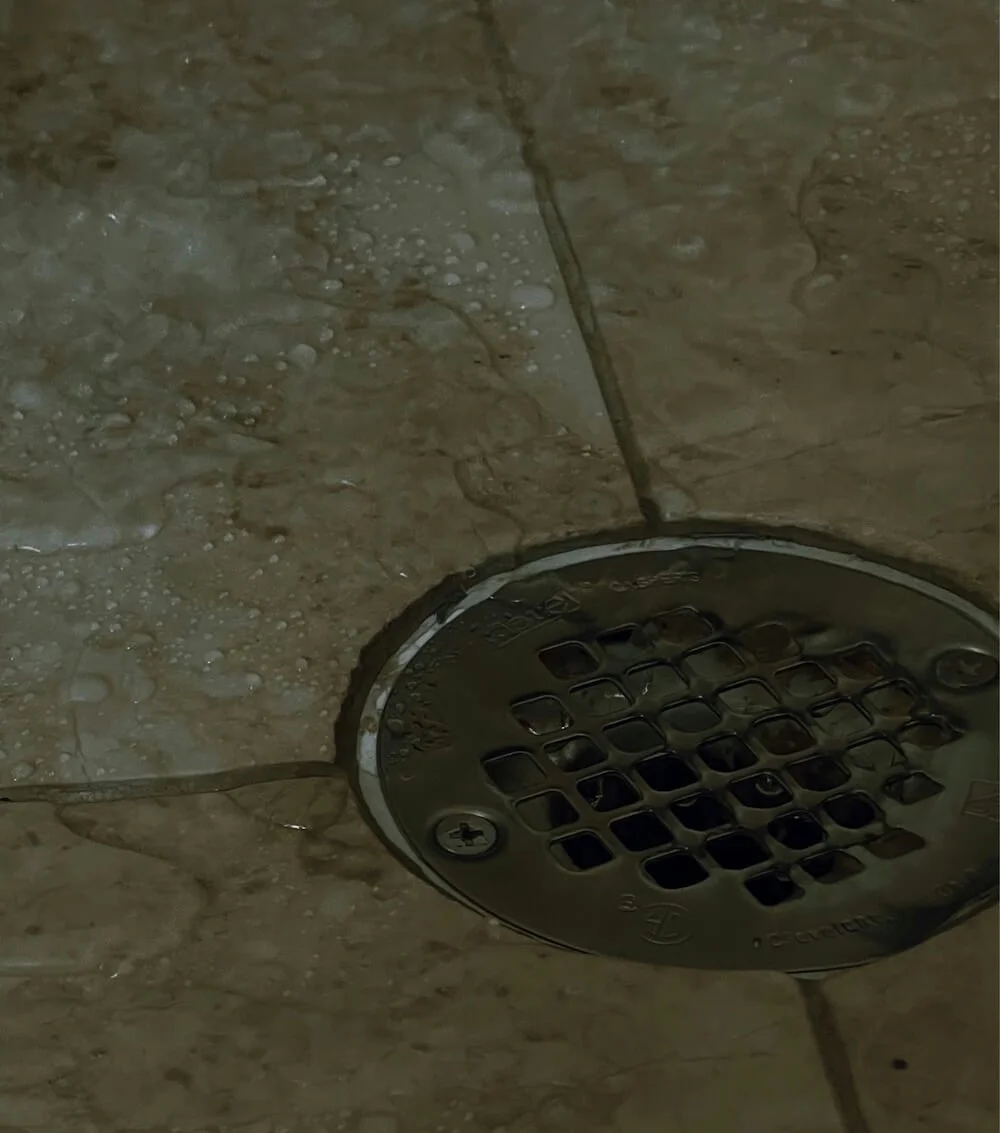
Clear the Grate: Sometimes, it’s just a buildup of hair, lint, and dust right on top of or just beneath the metal drain cover. Pop the grate off and clear out any visible debris (wear gloves!).
The Plunger Method: Use a heavy-duty plunger (a heavy-duty accordion or ball plunger works best for floor drains). Ensure there is enough water to cover the lip of the plunger, seal it tightly over the drain, and give it a few vigorous plunges.
Skip the Chemical Cleaners: It’s incredibly tempting to pour a bottle of harsh chemical drain cleaner down there. Don't do it. These chemicals rarely clear a heavy basement clog, they can damage older pipes, and they leave a toxic pool of water that makes it dangerous for a plumber to fix later.
When to Call a Professional Prineville Plumber
If a plunger doesn't do the trick, or if you smell foul sewer gas coming from the drain, it is time to call in the pros.
Because a basement backup can quickly turn into a costly sanitation hazard, you need a local team that understands Prineville’s specific infrastructure, soil types, and home builds. Whether your main line needs a professional hydro-jetting or we need to run a sewer camera inspection to check for invasive tree roots, we’ve got you covered.
Don't let a basement drain ruin your weekend. Give us a call to get your pipes flowing freely again!